Pick up any product at a Montana dispensary and you’ll find a label doing a lot of work in a small space: percentages, batch codes, dates, warnings, weights. Every element is there because state regulations require it, and every element tells you something useful.
Here’s a plain-English tour of a Montana cannabis label, top to bottom.
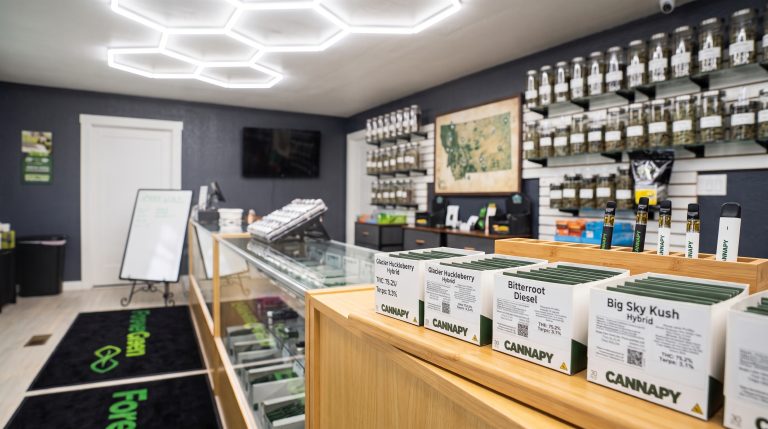
THC and CBD percentages
The numbers most shoppers look at first. On flower, you’ll typically see:
- THCA %: the raw, non-activated form of THC as measured in the plant.
- THC %: the activated form present before any heating.
- Total THC %: a calculated figure combining both, representing potency once the product is heated. When comparing flower, this is generally the most useful single number.
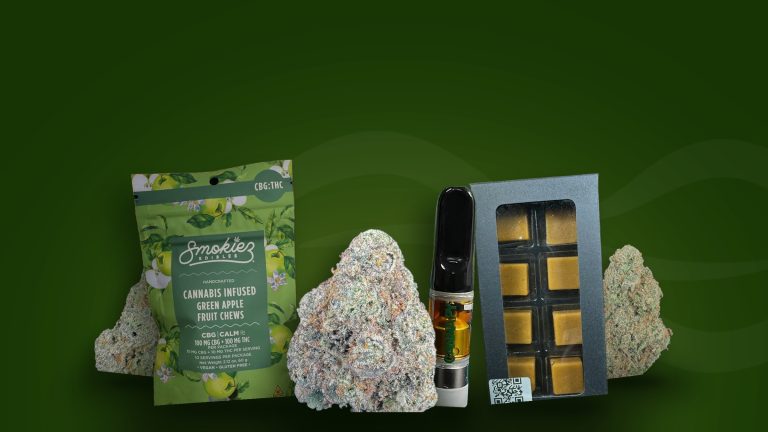
On edibles, vapes, and concentrates, potency appears in milligrams (mg) rather than percentages: total THC per package, and on edibles, per serving as well. CBD and other cannabinoids are listed the same way when present.
A worthwhile habit: compare products by their numbers rather than their names. Two jars with similar strain names can test very differently.
Batch and lot numbers
Every product carries a batch or lot identifier tied to Montana’s seed-to-sale tracking system, which follows cannabis from cultivation through testing to the register. That code means your specific product can be traced back to exactly when and where it was grown, processed, and tested. It’s the backbone of accountability in a regulated market.
Testing information
Montana requires products to pass state-mandated laboratory testing before they can be sold. Labels reference the testing this batch went through, and many producers make the full Certificate of Analysis (COA) available, a lab report detailing cannabinoid content and screening results. If you ever want to see the COA behind a product, ask your budtender.
Dates and weights
- Packaged/harvest dates tell you how fresh the product is, which is particularly relevant for flower.
- Net weight confirms exactly how much product is inside, which also matters for tracking your purchase against Montana’s one-ounce usable marijuana limit. Pre-rolls are labelled by the weight of the roll, and that weight counts against the same limit.
Warnings and symbols
Montana requires standardized warning statements and symbols on every package, including the THC warning symbol identifying the product as containing marijuana. You’ll also notice the packaging itself is child-resistant, tamper-evident, and opaque, all of which are state requirements. Keep products in their original packaging; it’s required during transport and it keeps all of this information with the product.
Serving information on edibles
Infused products list total THC per package and per serving, with servings clearly marked or physically divided. Reading this section carefully is the single most useful habit for anyone shopping edibles, since milligrams, not package size, are what you’re actually comparing between products.
What’s not on the label
You’ll never see health claims, medical language, or promises about what a product will do on a compliant Montana label. The state prohibits it, and so do we. What the label gives you instead is something better: verified, tested, traceable facts about exactly what’s in the package.
Still have questions? That’s what we’re here for
Labels answer “what’s in this?” Your budtender can answer everything else about the menu: potency comparisons, formats, pricing, and what’s new on the shelf. Stop by any ForeverGreen location in Billings, Lockwood, or Bozeman and we’ll walk through any label with you, line by line.
ForeverGreen never makes medical or therapeutic claims about cannabis or cannabis products, and nothing in this article is medical advice or a statement about the effects of any product. ForeverGreen is a licensed Montana adult-use dispensary. Must be 21+ with valid ID to purchase. Please consume responsibly and in accordance with Montana law.